
Guiding your child through the journey of Quran learning is one of the most rewarding endeavors of parenthood. However, gauging progress isn’t solely about the speed of memorization; it’s about the depth of sincerity and internalization. This is why enrolling in Quran classes for kids that focus on understanding as well as recitation makes a meaningful difference. Parents need to keep a check on fluency, repetition in prayers, natural interest in meaning (translation), focus, commitment level, and reverence to the Quran.
Table of Contents
Toggle10 Powerful Signs Your Kid is Progressing in Quran Learning
We’ve compiled the 10 most powerful signs that your child has unlocked the secret; they are finally moving beyond rote learning and establishing a genuine, lifelong relationship with the Book of Allah (SWT). Let’s explore them in detail.
1. Consistent Application of Tajweed
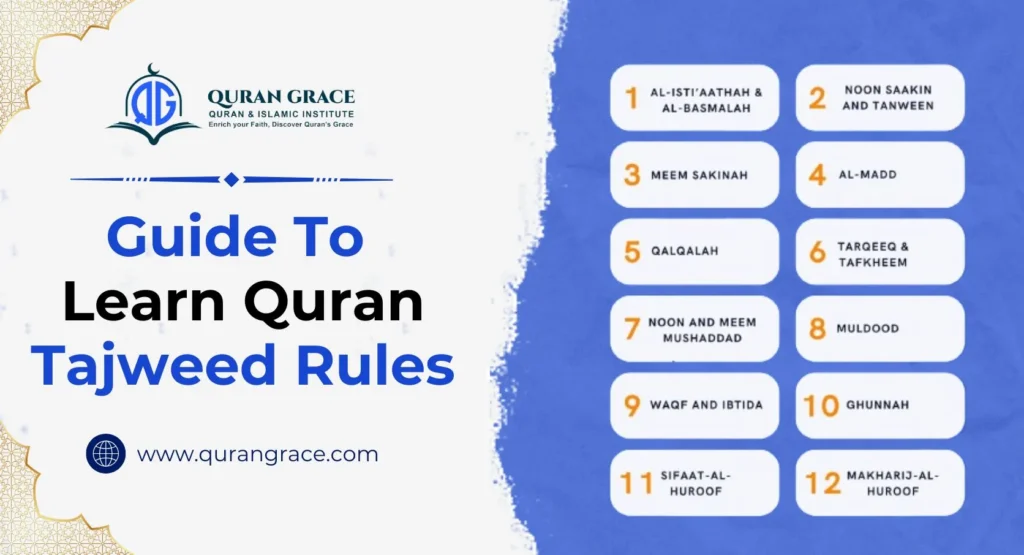
True progress means the rules are becoming second nature. The child applies complex pronunciation rules (like Idgham and Ikhfaa) automatically. Their recitation gains a noticeable rhythm and beauty, and they begin to self-correct common mistakes without constant prompting.
They respect the sanctity of the text and are moving from struggling with the script to truly reciting the Divine word correctly.
2. Fluency in Reading and Focus on Memorization
This sign represents the observable, foundational skill that has been mastered. In hifz course for kids your child can now pick up previously unread pages and read them smoothly, indicating the mechanical barrier of reading has been overcome.
For memorization, the focus shifts significantly: they prioritize revision (Muraja’ah) over merely learning new verses. This change demonstrates a critical transition from pursuing quantity to ensuring quality retention.
3. Taking Ownership of Their Schedule
The internal drive is the most valuable sign of commitment. Your child starts reminding you about their class time or sits down to complete their daily assignments before being asked. They don’t see it as a chore, but as their task.
They are transitioning from a passive pupil to an active learner. The motivation is coming from within their own heart (Himmah).
4. Spontaneous Recitation During Salah
Integration into the obligatory acts of worship is the ultimate test of practical application. They start using a variety of recently memorized verses and longer Surahs in their Fard and Sunnah prayers, rather than relying on the same few short chapters. The Quran serves its ultimate function as an active tool for communication and connection with Allah (SWT) during prayer.
5. Genuine Curiosity About Meaning
The true sign that the connection is deepening occurs when the text sparks intellectual engagement. Your child doesn’t just read the words; they investigate them. They ask the deep “why” and “what does this mean?” questions, linking the Arabic text to profound concepts like Al-Ghafoor (The Forgiving) or the inspiring narratives of the Prophets (AS). The Quranic verses are transforming from mere sound and script into a living, relevant message that they are genuinely eager to understand and apply to their lives.
6. Noticeable Improvement in Character (Akhlaq)
The Quran is a moral compass, and its influence is tangible. You observe them displaying greater patience, expressing more gratitude (Shukr), and being kinder to siblings and friends. When faced with a moral decision (like not lying or sharing), they instinctively connect it to a principle they learned.
7. Handling the Mushaf with Deep Reverence
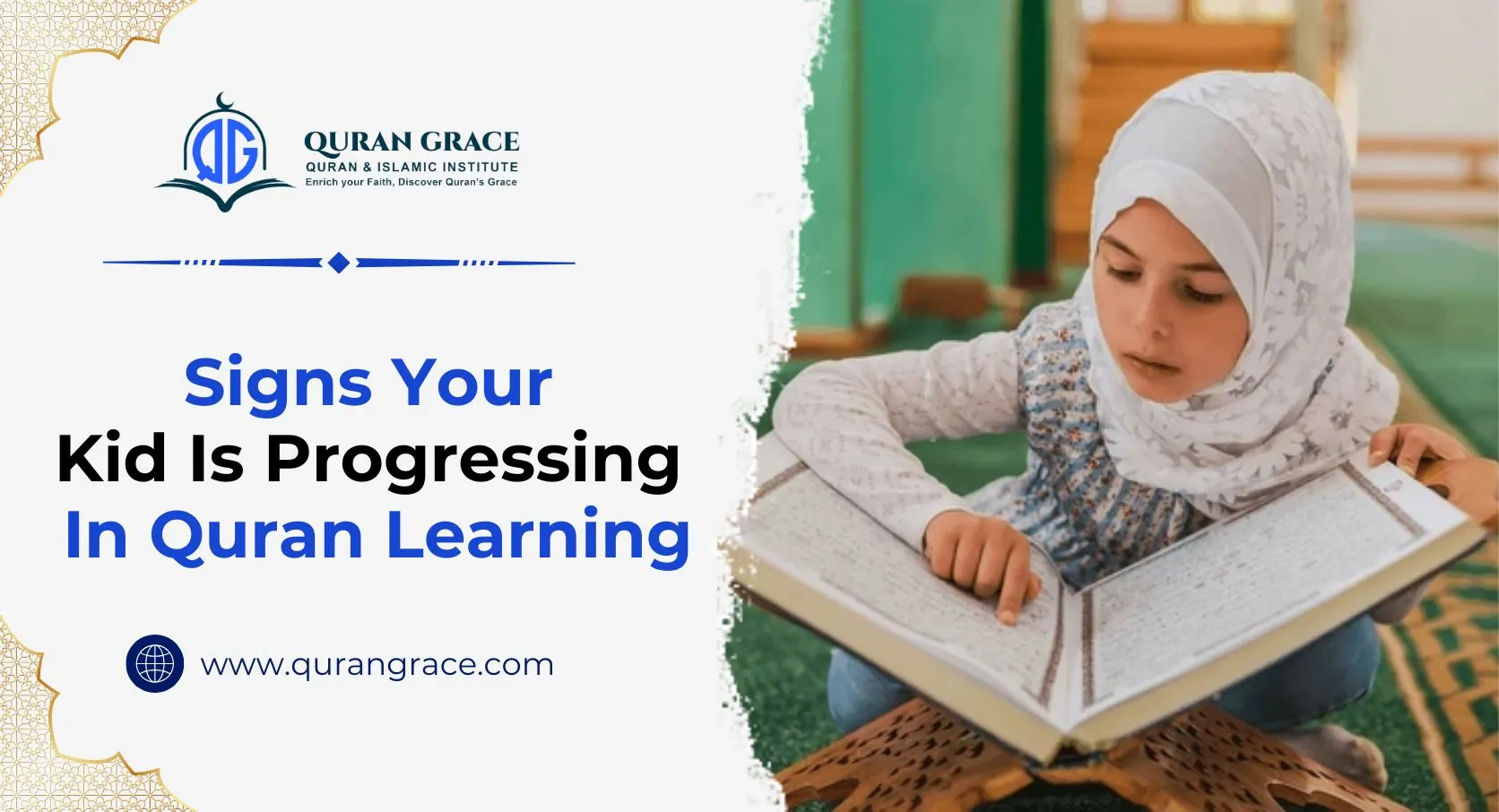
Respect for the physical book demonstrates awe for its contents. Without prompting, they ensure they are clean before touching the Quran; they never place it on the floor, and they handle the pages gently. They actively protect the book’s sanctity.
This shows a deep-seated awe and respect (Ta’dheem) for the word of Allah that has been internalized beyond a mere rule.
8. Increased Resilience and Focus
The discipline of Hifz strengthens the mind and spirit. Through a structured hifz program, when facing a difficult Surah or a frustrating day of revision, they show perseverance, ask for extra help, and try a new method rather than giving up. They also demonstrate improved focus in other areas of their studies.
They are learning the foundational Islamic virtue of perseverance (Istiqamah), a life skill essential for success in all worldly and religious matters.
9. Using Quranic Duas (Supplications)
The language of their worship begins to evolve beautifully. They begin to use authentic, specific Duas from the Quran, such as Rabbana Atina Fiddunya Hasanah (Our Lord, give us good in this world…), in their personal prayers, and they actively make Dua for others.
They are adopting the language of devotion used by the Prophets, indicating a deepening spiritual literacy.
10. Strengthened Commitment to Worship
True progress creates synergy across all forms of ‘Ibadah. They show greater enthusiasm and consistency in their Salah, may express an eagerness to observe recommended fasts, and understand the importance of giving charity (Sadaqah), even from their own small allowance. The Quran has opened the door to a deeper, more committed spiritual life, demonstrating that its learning is holistic and sincere.
Conclusion
If you see these ten signs manifesting in your child, take heart. You are witnessing a beautiful transformation. Celebrate their daily effort, make Dua for their success, and be proud of the blessed path they are walking. Which of these signs resonates most with your family’s experience right now? Would you like me to suggest a specific Dua from the Quran that you and your child can recite together for their continued progress?