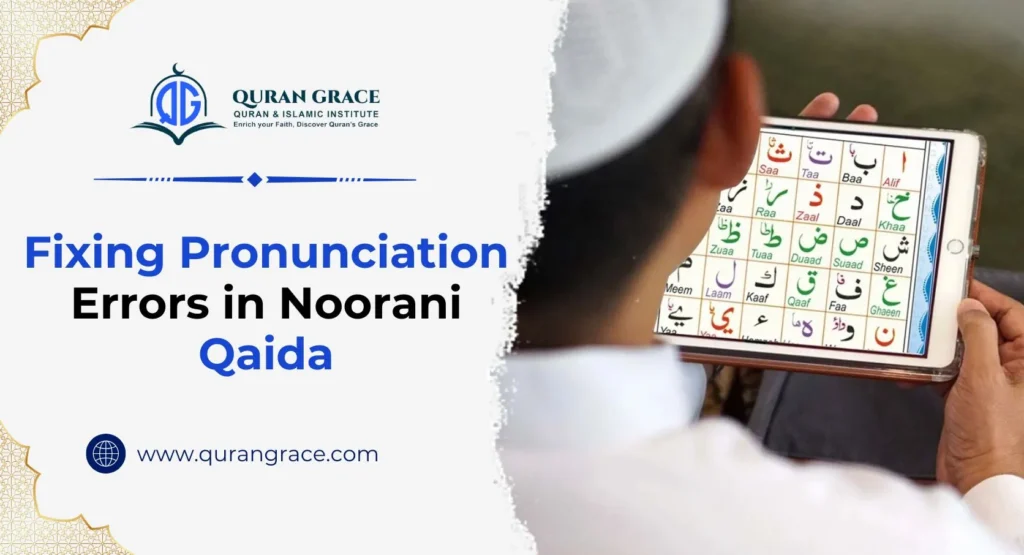


The letter “raa” (ر) in Arabic has some very specific rules regarding its pronunciation. It can be pronounced either “heavy” or “light,” and in some cases, it can have both possibilities. Mastering these rules is crucial for accurate recitation of the Quran. In this article, we will comprehensively explain the letter raa with Quranic examples.
Table of Contents
ToggleImportant Rules Of Raa With Examples
Let’s break down these rules with examples.
1. Heavy Raa (تَفْخِيمُ الرَّاء)
The “raa” is pronounced heavily in the following situations:
When Raa has a Fatha (ـَ) or Fathatain (ـً): When the “raa” carries a fatha (short ‘a’ sound) or fathatain (tanween with ‘an’ sound), it is always heavy.
-
- Example: رَحْمَةٌ (Raḥmah). The “raa” has a fatha, so it’s heavy.
- Example: رَسُولًا (Rasūlan). The “raa” has a fathatain, so it’s heavy.
When Raa has a Damma (ـُ) or Dammatain (ـٌ): If the “raa” carries a damma (short ‘u’ sound) or dammatain (tanween with ‘un’ sound), it is always heavy.
-
- Example: رُوحٌ (Rūḥun). The “raa” has a damma, so it’s heavy.
- Example: صَابِرُونَ (Ṣābirūna). The “raa” has a damma, so it’s heavy.
When Raa is Saakin (ـْ) and the preceding letter has a Fatha or Damma: If the “raa” has a sukoon (no vowel sound) and the letter immediately before it has a fatha or damma, the “raa” is heavy.
- Example: مَرْيَمَ (Maryam). The “raa” is saakin, and the preceding letter (م) has a fatha, so the “raa” is heavy.
- Example: قُرْآنٌ (Qurʾān). The “raa” is saakin, and the preceding letter (ق) has a damma, so the “raa” is heavy.
When Raa is Saakin and the preceding letter is Hamzatul Wasl (ا) (even if it has Kasra): When the “raa” is pronounced with a sukoon (holding its position) and is preceded by a Hamzatul Wasl (the connecting hamza that typically appears at the start of a word with a sukoon), the “raa” will always be pronounced heavily, regardless of the vowel that follows the Hamzatul Wasl. While Hamzatul Wasl often carries a kasra to facilitate proper pronunciation, this doesn’t influence the heaviness of the “raa.”
- Example: ارْجِعُوا (Irjiʿū). The “raa” is saakin, and the preceding Hamzatul Wasl has a kasra, but the “raa” is still heavy. (This is because the original form of the word would have started with a consonant).
- Example: ارْتَضَىٰ (Irtaḍā) – Similar to the above, the “raa” is heavy.
When Raa is Saakin and followed by a “Heavy Letter” (Letters of Isti’la – حروف الاستعلاء) in the same word: The “heavy letters” (also known as huruf al-isti’la) are: خ, ص, ض, غ, ط, ق, ظ. If the “raa” is saakin and immediately followed by one of these heavy letters in the same word, the “raa” is pronounced heavy. This applies even if the preceding letter has a kasra.
- Example: مِرْصَادًا (Mirṣādan) – The “raa” is saakin, followed by ṣad (ص), a heavy letter, so the “raa” is heavy.
- Example: فِرْقَةٍ (Firqatun) – The “raa” is saakin, followed by qaf (ق), a heavy letter, so the “raa” is heavy. (Note: The “kasra” on “fa” (ف) is overridden by the heavy letter following the raa).
2. Light Raa (تَرْقِيقُ الرَّاء)
The “raa” is pronounced lightly in the following situations:
When Raa has a Kasra (ـِ) or Kasratain (ـٍ): When the “raa” carries a kasra (short ‘i’ sound) or kasratain (tanween with ‘in’ sound), it is always light.
- Example: رِزْقٌ (Rizqun) – The “raa” has a kasra, so it’s light.
- Example: قَدِيرٍ (Qadīrin) – The “raa” has a kasratain, so it’s light.
When Raa is Saakin and the preceding letter has a Kasra: If the “raa” has a sukoon and the letter immediately before it has a kasra, the “raa” is light. This rule has exceptions (see heavy raa rule 5).
- Example: فِرْعَوْنَ (Firʿauna) – The “raa” is saakin, and the preceding letter (ف) has a kasra, so the “raa” is light.
- Example: خَيْرٌ (Khayrun) – When stopping, the raa becomes saakin and the ya (ي) before it has a sukoon, and the kha (خ) has a fatha. If you were to continue, it would be heavy. However, if the preceding letter had a kasra, it would be light. Consider the example of: سِحْرٌ (Siḥrun). If you stop on it, the raa becomes saakin, and the sin (س) has a kasra, so the raa is light.
When Raa is Saakin (due to stopping) and the preceding letter has a Saakin (and the letter before that has a Kasra): This applies when you stop on a word, causing the “raa” to become saakin. If the letter immediately before the raa is also saakin, and the letter before that (i.e., two letters before the raa) has a kasra, then the “raa” is light.
- Example: بِكْرٌ (Bikrun). When stopping, the raa becomes saakin, the kaf (ك) is saakin, and the ba (ب) has a kasra, so the “raa” is light.
- Example: ذِكْرٌ (Dhikrun). When stopping, the raa becomes saakin, the kaf (ك) is saakin, and the dhal (ذ) has a kasra, so the “raa” is light.
3. Raa With Both Possibilities (جواز الوجهين)
In some rare instances, the sound “raa” can be pronounced with both heavy and light inflections. This typically happens when the speaker intends to convey a specific meaning or when there is ambiguity in the original Arabic. The most common situations for this variation are
When Raa is Saakin and preceded by a Kasra, and followed by a Heavy Letter that is also Kasra in another word:
This is very specific and rare. It typically occurs in the word مِصْرَ (Miṣra – Egypt) in some contexts, where the ṣad (ص) is also kasra. Some reciters make the “raa” heavy due to the ṣad being a heavy letter, while others make it light due to the preceding kasra.
- Example: مِصْرَ (Miṣra) – When the word “Miṣra” is not part of a continuous recitation that causes the raa to be saakin and the sad to be kasra, then both light and heavy pronunciations are acceptable.
Important Note: This rule is often discussed in the context of specific Quranic verses and is more advanced. For beginners, it’s generally best to stick to the primary rules.
When Raa is Saakin due to stopping, and the preceding letter has a Saakin (and the letter before that has a Fatha or Damma), and the word ends in a heavy letter:
This applies to a few specific words, often when stopping.
- Example: عَيْنِ الْقِطْرِ (ʿAynil-Qiṭr) – In Surat Al-Kahf, when stopping on الْقِطْرِ (al-Qiṭr), the “raa” becomes saakin. The ṭa (ط) is saakin, and the qaf (ق) has a kasra. Here, some reciters make the “raa” light due to the kasra before the saakin, while others make it heavy because the ṭa is a heavy letter (even though it’s saakin).
Tips for Mastering the letter Raa
- Listen to Skilled Reciters
One effective method to internalize quran Tajweed rules, especially the pronunciation of the letter “raa,” is to listen closely to experienced Quran reciters. Pay attention to the varying ways they articulate “raa” in different contexts.
- Practice Regularly
Consistent practice is essential for mastering pronunciation. It is beneficial to recite aloud, with a particular focus on the “raa” and distinguishing between its heavy and light pronunciations.
- Seek Feedback
Engaging with a qualified quran teacher can provide valuable insights into your quran recitation. They can offer constructive feedback and help identify specific areas for improvement in your pronunciation.
Conclusion
Mastering the rules of “raa” in Tajweed can greatly enhance both the beauty and precision of your Quranic recitation. It takes commitment and practice, but the reward for reciting Allah’s words correctly is truly immense. Consider joining the online Tajweed classes at Quran Grace, where you can take advantage of a free evaluation class designed for beginners. You’ll receive a tailored plan to grasp the basic Tajweed rules and can start your journey right away!